PEMF Therapy
PEMF Therapy: What to Expect
A practical guide to discussing your goals, session expectations and individual precautions.


Science-backed, practical advice

PEMF Therapy
A practical guide to discussing your goals, session expectations and individual precautions.

Bioptron Light Therapy
Questions to ask about the session, comfort and precautions before trying light therapy.

Wolfe Therapy
What to discuss about assessment, session expectations and realistic goals.

Acupuncture
An overview of consultation, safety and how to discuss your medical history.
Nutrition & Recovery
A cautious guide to discussing nutrition, supplements and individual safety.
Bioptron guide · Skin regeneration
What current research says about light therapy, skin repair and evidence limits.
Read article →Bioptron guide · Pain relief
A guide to the device indication, adjunctive use and realistic expectations.
Read article →Bioptron guide · Inflammation reduction
Why biological mechanisms are not the same as proven clinical outcomes.
Read article →
Bioptron guide · Wound healing
A careful look at a small study and the importance of standard wound care.
Read article →Bioptron guide · Immune support
What research does and does not support about broad immune claims.
Read article →Bioptron guide · Recovery speed
Evidence on recovery, study limitations and realistic expectations.
Read article →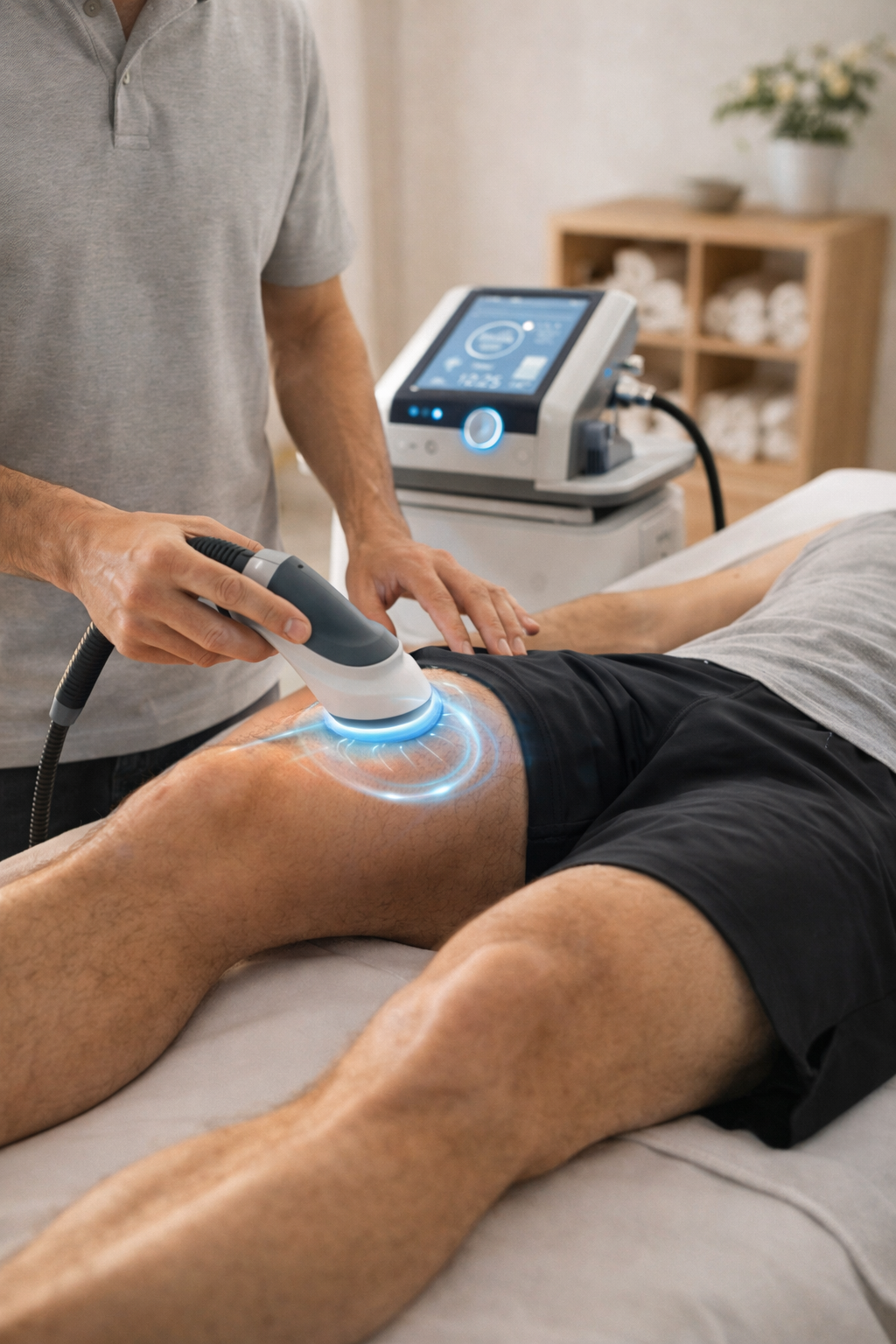
Electromagnetic Pulse Therapy · Joint pain
Joint pain is a symptom, not a diagnosis. The pattern, duration, affected joint and effect on daily tasks help guide assessment. Persistent swelling, heat, locking or a sudden inability to bear weight warrants clinical review.
Read article →Electromagnetic Pulse Therapy · Muscle injuries
A muscle strain can range from mild soreness to a significant tear. Sudden severe pain, bruising, weakness or loss of function deserves assessment before returning to training.
Read article →Electromagnetic Pulse Therapy · Inflammation
Inflammation is part of the body's response to injury and illness. The same symptom can have different causes, so the goal is to understand what is driving it rather than simply suppressing a signal.
Read article →Electromagnetic Pulse Therapy · Sports recovery
Training adaptation depends on the balance between workload and recovery. Sleep, nutrition, rest days and a gradual training progression remain central, even when a recovery treatment is considered.
Read article →Electromagnetic Pulse Therapy · Mobility limitations
Limited movement may reflect pain, joint stiffness, weakness, fear of movement or several factors together. An assessment can identify which activities are affected and set a meaningful goal.
Read article →Electromagnetic Pulse Therapy · Chronic pain
Chronic pain can affect sleep, mood, activity and confidence as well as the painful area. It is real, and it can involve biological, psychological and social factors that deserve a compassionate, whole-person approach.
Read article →Wolfe Non-Surgical Therapy · Mobility and flexibility
Movement can feel restricted because of pain, swelling, weakness, previous injury or reduced activity. A useful assessment looks at the movement that matters to you and how it changes over time.
Read article →Wolfe Non-Surgical Therapy · Chronic pain
Persistent pain is not always a sign of ongoing tissue damage. It can be influenced by many factors, so a careful assessment and a plan that supports daily function are important.
Read article →Wolfe Non-Surgical Therapy · Muscle stiffness
Muscle stiffness can follow exercise, long periods in one position, illness or injury. New severe stiffness with weakness, fever, major swelling or loss of function needs prompt assessment.
Read article →Wolfe Non-Surgical Therapy · Sports injuries
Sports injuries range from minor overload to injuries that need imaging or specialist care. Pain that is severe, rapidly worsening, associated with deformity or prevents normal use should be assessed promptly.
Read article →Wolfe Non-Surgical Therapy · Post-injury recovery
Recovery after an injury is individual. The tissue involved, severity, health history and demands of work or sport all influence the pace and type of support needed.
Read article →Wolfe Non-Surgical Therapy · Inflammation
Warmth, swelling and tenderness can be part of healing, but can also signal a condition that needs medical care. Redness spreading quickly, fever or sudden severe pain merits prompt review.
Read article →
Regenerative Whole-Body Approach · Mental clarity
Concentration can be affected by sleep, stress, mood, medications, nutrition and health conditions. Persistent or sudden cognitive changes deserve professional assessment rather than an assumption that a supplement is needed.
Read article →Regenerative Whole-Body Approach · Energy levels
Low energy has many possible causes, including insufficient sleep, stress, medication effects and medical conditions. Ongoing fatigue, especially with other new symptoms, is worth discussing with a healthcare professional.
Read article →Regenerative Whole-Body Approach · Immune resilience
The immune system is complex; no single food or supplement can guarantee stronger immunity or prevent infection. General health habits and recommended preventive care matter more than broad 'immune boost' claims.
Read article →Regenerative Whole-Body Approach · Inflammatory balance
Inflammation is a normal biological response, though persistent symptoms may need investigation. No single diet or supplement is a universal treatment for inflammatory disease.
Read article →Regenerative Whole-Body Approach · Recovery capacity
Recovery is shaped by sleep, total workload, nutrition, stress, health conditions and time. Tracking symptoms and function can help identify patterns without assuming one factor explains everything.
Read article →Regenerative Whole-Body Approach · Hormonal health
Hormones affect many body systems, and symptoms such as changes in energy, sleep or mood are not specific to one hormone. Testing and treatment decisions belong with an appropriately qualified clinician.
Read article →Acupuncture Therapy · Stress and tension
Stress can show up as muscle tension, restlessness or difficulty switching off. If it is persistent or affects daily life, consider speaking with a qualified health professional about suitable support.
Read article →Acupuncture Therapy · Energy balance
'Energy balance' can describe a personal sense of wellbeing, but it is not a medical diagnosis. Ongoing exhaustion or a major change in energy can have many causes and may need clinical review.
Read article →Acupuncture Therapy · Muscle discomfort
Muscle discomfort may follow exercise or prolonged posture, but severe pain, weakness, numbness or pain after significant trauma should be assessed.
Read article →Acupuncture Therapy · Sleep quality
Sleep can be affected by routine, stress, pain, medicines and health conditions. Persistent insomnia or breathing-related sleep symptoms deserve professional advice.
Read article →Acupuncture Therapy · Circulation
Circulation-related symptoms can have important causes. Sudden limb pain, marked swelling, colour change, chest pain or shortness of breath needs urgent medical assessment.
Read article →Acupuncture Therapy · General wellbeing
Wellbeing is personal and can include comfort, mood, sleep and participation in daily life. Choosing one or two specific goals makes it easier to review whether a treatment is useful.
Read article →+34 608 708 160
healixsoto@gmail.com
#31, First Floor, Plaza Blanca, Av. de Paniagua, Sotogrande
Mon To Fri 9:30 AM - 15:00 PM
Sat: On Appointment
.svg)
.svg)